
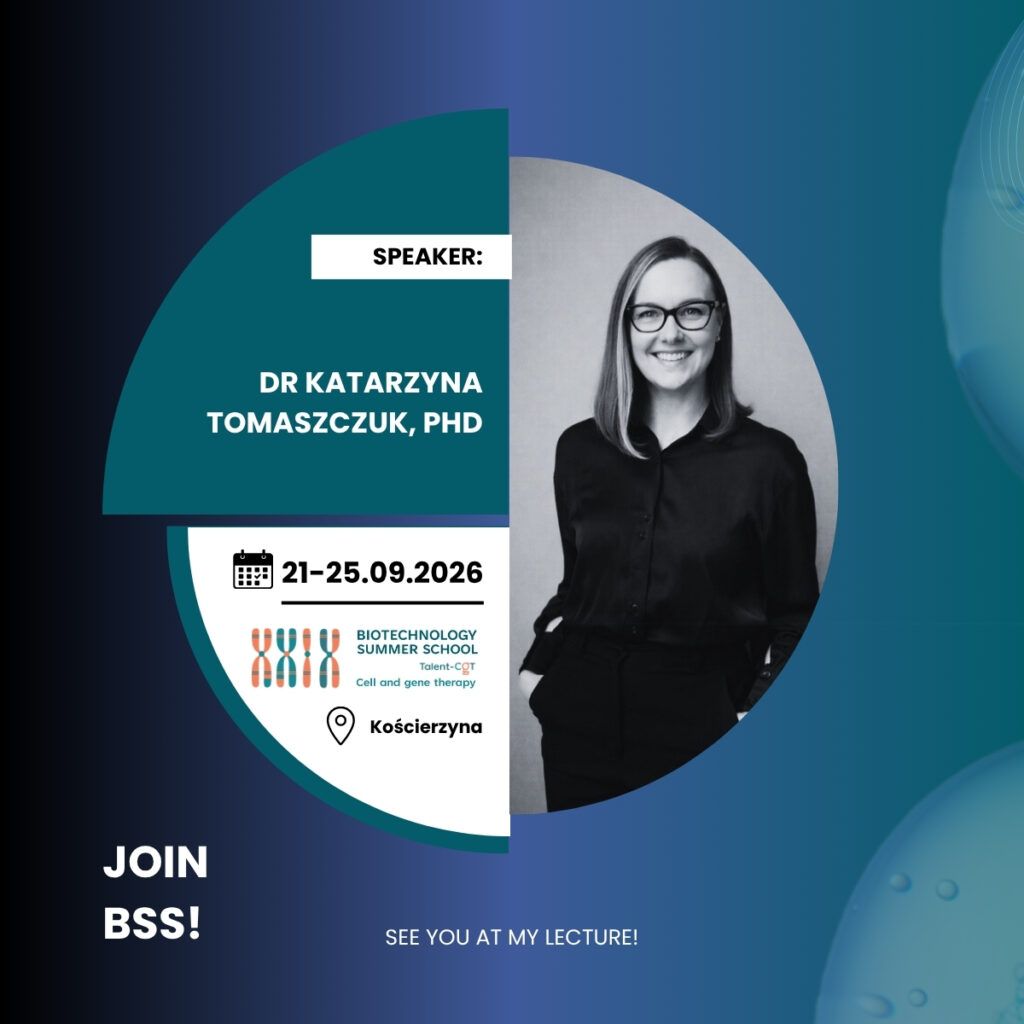
My name is Katarzyna Tomaszczuk, and I am a specialist with over 20 years of experience in clinical research, scientific studies, and project management within the fields of biotechnology, genetics, and tissue engineering. As both an academic lecturer and a Life Science industry practitioner, I combine scientific expertise with operational proficiency in regulatory standards. My professional career includes working in international teams across Poland, Switzerland, Australia, and the United Kingdom.
My vision is to build a bridge between academic theory and real-world practice in the clinical research sector. As a lecturer, I emphasize a hands-on, workshop-based approach, teaching students not only what to write but, more importantly, how to structure documentation in accordance with ICH-GCP guidelines. A key value for me is substantive precision combined with ethics and clarity in medical communication (the Plain Language principle). My goal is to equip course participants with the tools that enable them to quickly and effectively step into the role of a professional Medical Writer.
I serve as a lecturer and supervisor of master’s theses at the Medical University of Gdańsk, and I also work as a Clinical Project Manager and Medical Writer. My extensive academic and teaching experience includes long-standing collaboration with the University of Basel in Switzerland, where I carry out key projects in medicine and tissue engineering. Previously, I led research projects and served as a medical advisor at INVICTA Clinics and Westmead Hospital in Australia.
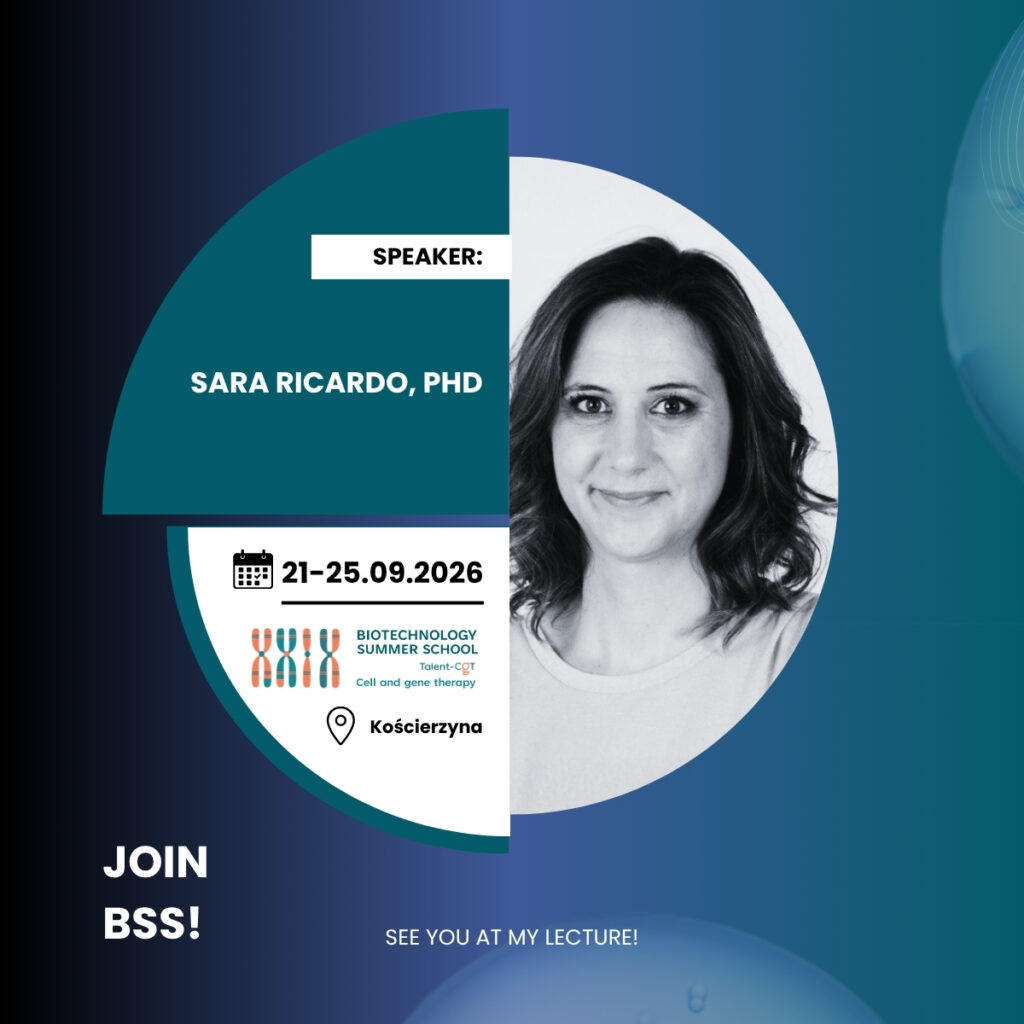
is a researcher in tumour biology and translational oncology, holding a PhD in Pathology and Molecular Genetics. Her work has focused on ovarian cancer biology, therapy resistance and biomarker discovery, with a strong translational orientation integrating experimental models, molecular analyses and patient-derived samples. After consolidating her expertise through research on breast and ovarian cancer, she developed her scientific career at the i3S – Institute for Research and Innovation in Health (University of Porto), where she established an independent research line and led multidisciplinary teams. In close collaboration with the Portuguese Oncology Institute of Porto, she initiated clinically driven research projects and created an innovative biobank of ascitic fluid samples from ovarian cancer patients, now supporting longitudinal studies on tumour progression, immune microenvironment and therapeutic resistance. In 2025, she was appointed Director of the Toxicologic Pathology Laboratory at Applied Molecular Biosciences Unit (UCIBIO-Porto), where she leads a multidisciplinary team and coordinates research on toxic injury, cytotoxicity, drug resistance and biomarker identification. Alongside her research activity, she maintains a strong commitment to higher education, particularly in biopathology and histology, contributing to multidisciplinary programmes and innovative digital teaching approaches.
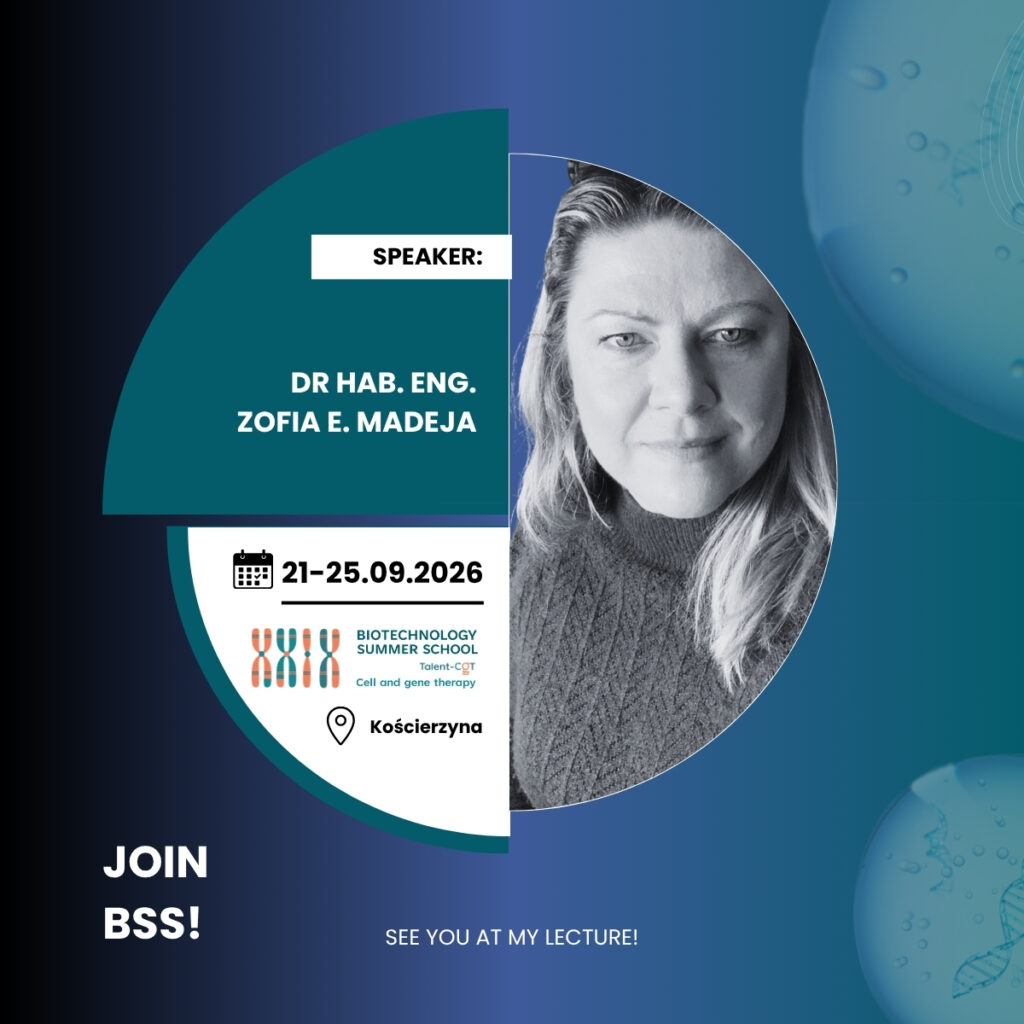
is an Assistant Professor at the Poznań University of Life Sciences (Department of Genetics and Animal Breeding), where at present her studies focus on early embryonic development and the role of mitochondria in oocyte maturation, fertilisation, and embryo quality. Specialising in embryology, molecular biology and reproductive technologies, she conducts research on multiple mammalian models, including cattle, pigs, mice and rabbits. After completing her PhD, she worked at The Gurdon and TheBabraham Institutes (Cambridge University, UK), studying implantation and embryo–maternal interactions. Dr Madeja has broad expertise in various aspects of mammalian reproductive technologies, early embryonc development (including signaling based cell fate decisions) and embryonic stem cells. She has led several national research projects in Poland (including National Science Centre) and received awards for scientific excellence from the Foundation for Polish Science and the Ministry of Science and Higher Education. Her work aims to advance both animal breeding and human reproductive medicine.
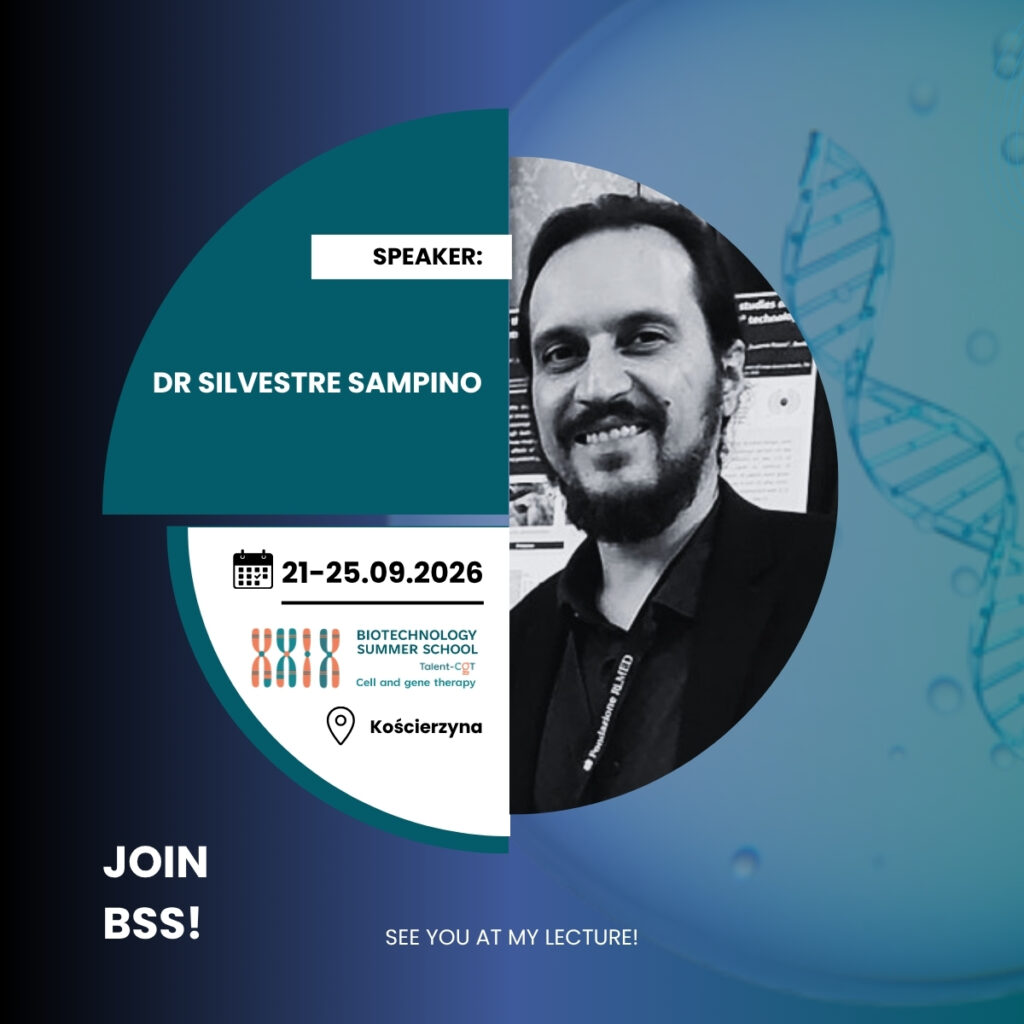
is an Assistant Professor and group leader in the Department of Experimental Embryology at the Institute of Genetics and Animal Biotechnology of the Polish Academy of Sciences (IGBZ PAN) in Jastrzębiec, Poland. He obtained a PhD from the University of Teramo, Italy, in 2014 and then joined IGBZ PAN, where he established his research line combining embryological techniques with neuroscience. His team’s research focuses on investigating the etiology and pathogenesis of neurodevelopmental disorders in animal models, including mice and sheep.
is a virologist whose research focuses on the molecular mechanisms of viral infections and the development of antiviral strategies, with particular emphasis on respiratory viruses such as coronaviruses. Her scientific work centers on understanding virus–host interactions, identifying cellular factors involved in viral entry and replication, and developing novel antiviral inhibitors. She received her doctoral degree based on research investigating the interactions between human coronaviruses and host cells, including studies on polymeric compounds capable of inhibiting viral entry. Following her PhD (Faculty of Biochemistry, Biophysics and Biotechnology at JU), she continued to develop her research program on respiratory virus biology, using advanced in vitro models of human airway epithelium to study infection mechanisms and antiviral responses. She has authored numerous peer-reviewed scientific publications in international journals in the fields of virology, antiviral research, and host–pathogen interactions.
She has participated in multiple national and international research projects funded by organizations such as the National Science Centre (NCN), the Foundation for Polish Science, and European research initiatives. She is also involved in international collaborative research within the DURABLE project funded by the European Union, which focuses on strengthening biomedical research capacity and preparedness against epidemic threats. As part of her scientific training, she completed research internships at the Department of Experimental Virology at the Academic Medical Hospital of the University of Amsterdam, where she gained expertise in advanced cell culture systems, including three-dimensional and organotypic models of respiratory tissues
Main interest in the application of T regulatory cells and mechanisms of immune tolerance in the clinic. His group developed and applied first-in-man protocols of the treatment with expanded Tregs. Graduated from the Medical University of Gdańsk in 1999, Ph.D. thesis on the suppressive mechanisms and Tregs involved in immunosenescence in 2003. From 2004 to 2006 at the Oxford University working on the immune background of the therapy with alemtuzumab and the biology of Tregs. From 2007 professor of immunology at the Medical University of Gdańsk, where he developed first trials with Tregs. Between 2010-2011 visiting professor at the University of Chicago working on the tolerance after pancreatic islets transplantation. The trials with T regulatory cells supervised by Trzonkowski covered graft versus host disease, type 1 diabetes, multiple sclerosis and pancreatic islets allotransplantation. In 2016, he set up a spin-off PolTREG. The company works on pivotal trials with Tregs in type 1 diabetes as well as on new generations of Tregs, such as CARTregs, antigen-specific Tregs, and TCR-Tregs in autoimmune conditions.
Professor Pierre Savatier is a distinguished researcher in the fields of stem cell biology and developmental biology. His work focuses on the molecular mechanisms regulating pluripotency, cell differentiation, and early embryonic development, with major contributions to understanding how stem cells maintain their identity and can be directed toward specific lineages.
Ivana is a postdoctoral researcher specializing in the development of next-generation cellular immunotherapies, with a strong focus on bridging experimental innovation and clinical application. Her research centers on CAR- and TRUCK-engineered natural killer (NK) cells designed to target gynecological malignancies, particularly ovarian and cervical cancer.
She earned her PhD in natural sciences from Hannover Medical School, specializing in virology, and subsequently expanded her translational expertise at the Helmholtz Centre for Infection Research. Currently, she is a lead researcher at the Institute for Experimental Hematology (Director: Prof. Axel Schambach) in the group of Prof. Michael Morgan, where she leads projects focused on the preclinical development and functional optimization of NK cell–based therapies.
Her work combines advanced cellular engineering with clinically relevant model systems, including sophisticated 3D in vitro tumor models used to investigate tumor–immune interactions and mechanisms of therapy resistance. To ensure translational relevance, she has established biobanks of primary gynecological tumor samples derived from patients.
Ivana collaborates closely with clinical partners to advance innovative therapeutic strategies from experimental research toward clinical application. She actively contributes to national initiatives in gene and cell therapy and is strongly committed to mentoring and training the next generation of scientists in translational oncology and advanced immunotherapy.
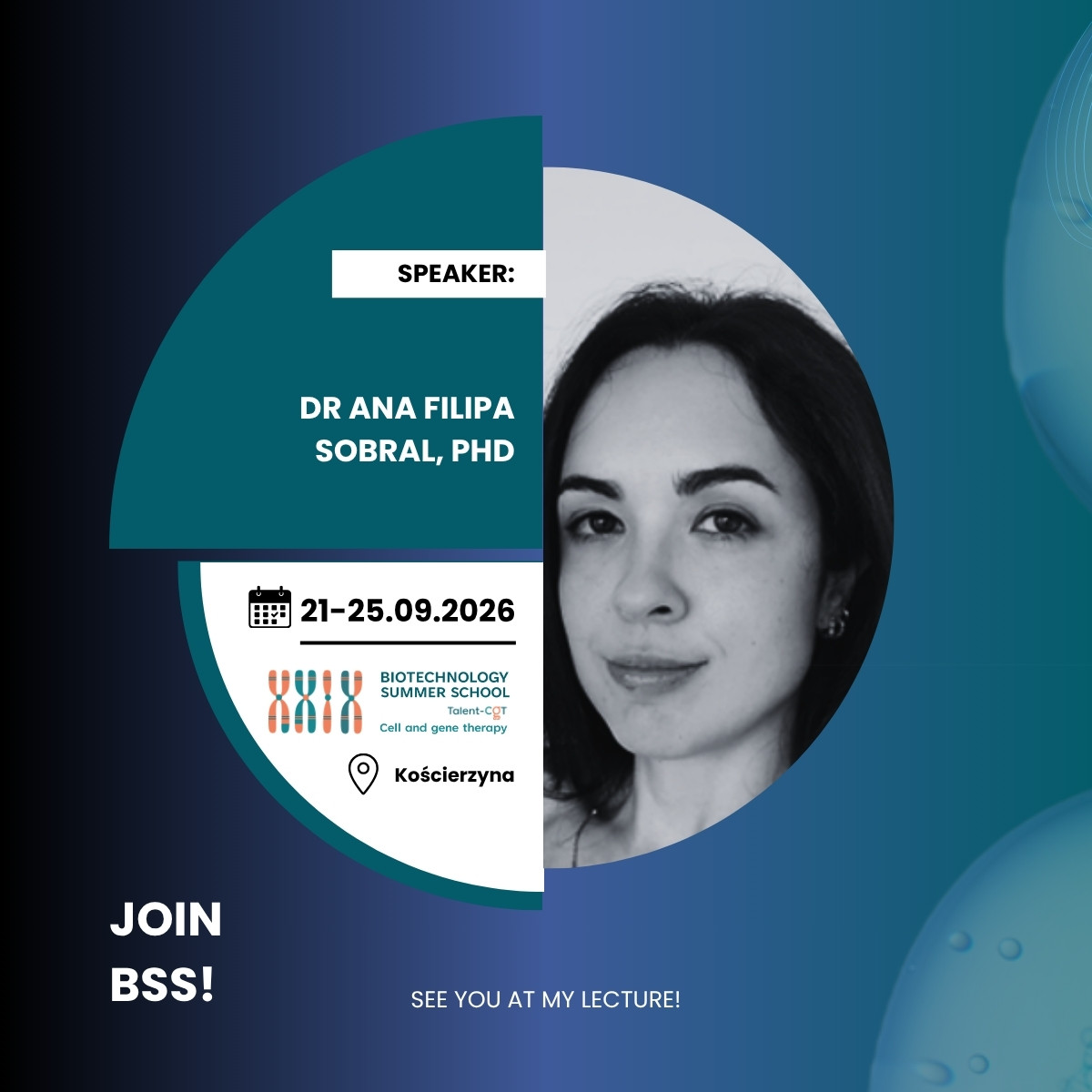
is an Assistant Professor at IUCS-CESPU and a Researcher at UCIBIO – Applied Molecular Biosciences Unit (Toxicologic Pathology Research Laboratory, 1H-TOXRUN). She holds a MSc in Cell and Molecular Biology and obtained her Ph.D. in Biomedical Sciences in 2022, where she investigated the role of cytoskeletal proteins in cell division using the animal model C. elegans.
With over 10 years of research experience, her expertise spans molecular and cellular biology, CRISPR-mediated genome editing, PCR-based methods, confocal microscopy, and bioinformatic tools for gene editing and sequencing. Her career trajectory includes a time in industry producing therapeutic antibodies in a CRO setting,
Currently, she lectures on molecular biology, genetics and toxicology across undergraduate, master’s, and doctoral programs, conducts research at 1H-ToxRun, and mentors the next generation of scientists and healthcare professionals. She is also a partner in the EIT HEI Initiative – Talent CGT project, promoting training and innovation in cell and gene therapies across European higher education.
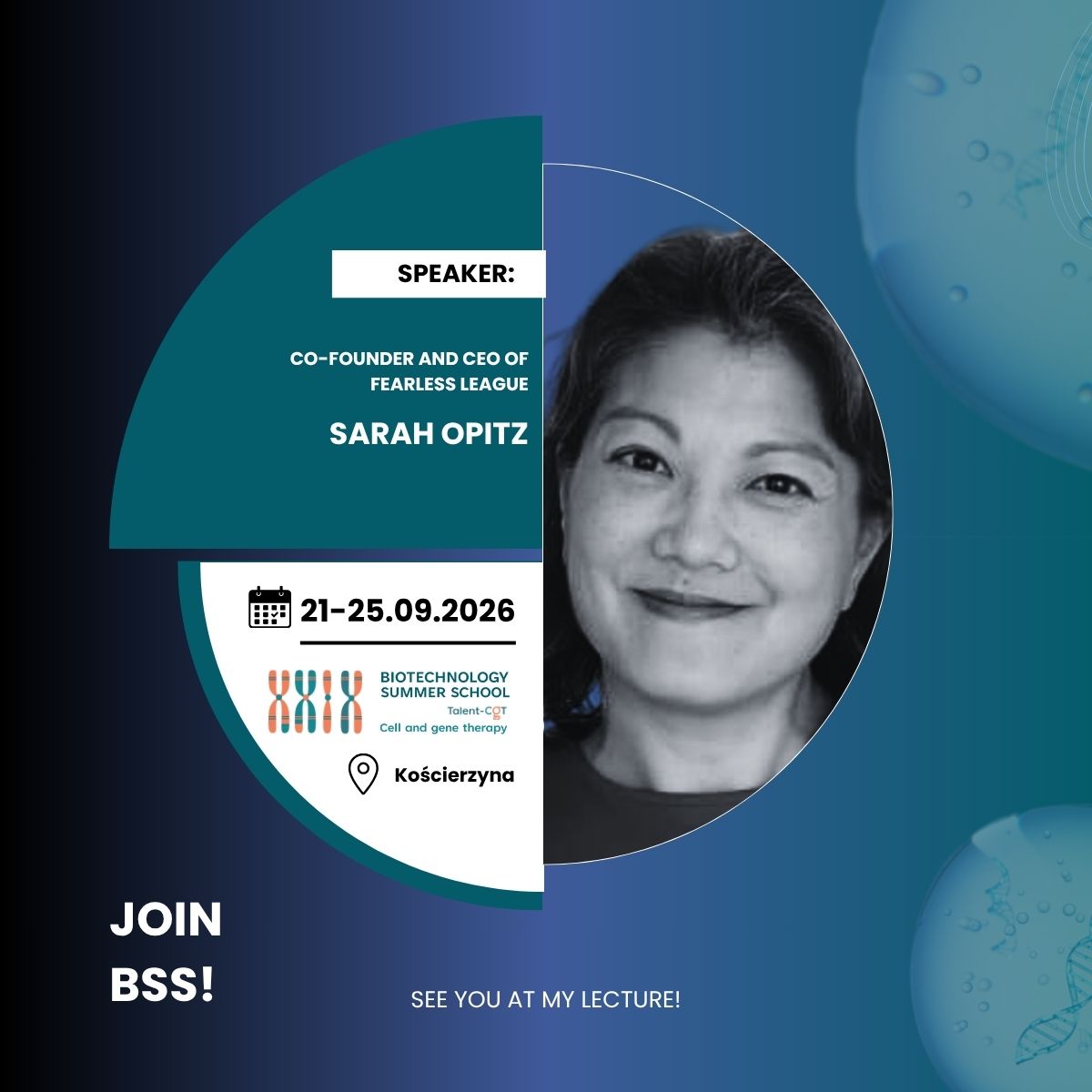
Sarah Opitz is co-founder and CEO of Fearless League, developing tools for molecular biology and lab documentation. Her background spans biomedical research, science communication, and biotech collaboration, with experience at institutions including the Whitehead Institute, Harvard Medical School, UMC Utrecht, and Novartis. She has spent years translating complex science for researchers, industry, and broader audiences. At the heart of her work is a long-standing interest in how scientific knowledge is recorded, shared, and passed on, between scientists, across teams, and into practice, and in what makes science reproducible, teachable, and worth building on.
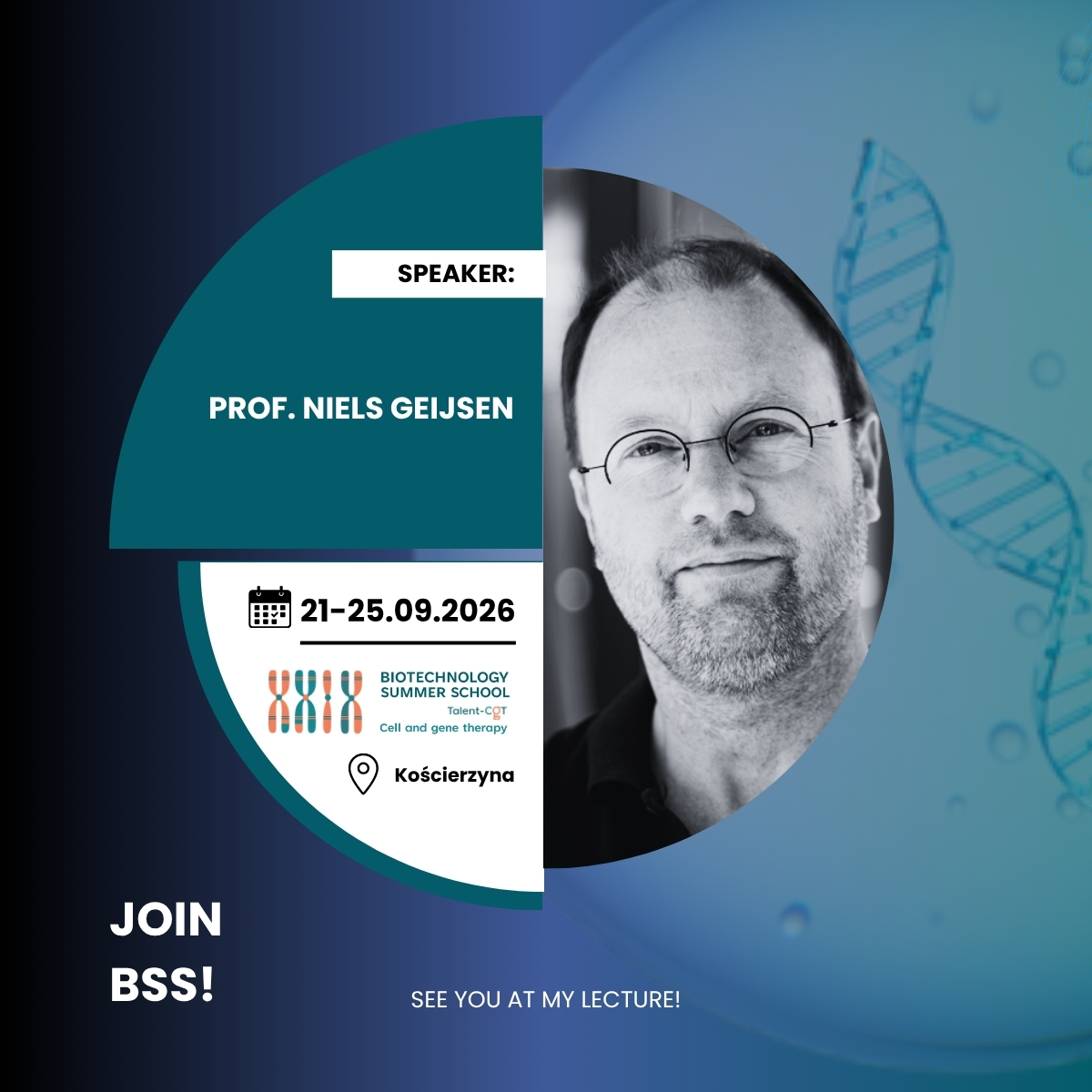
Professor of Developmental Biology and Regenerative Medicine
Chair, Department of Anatomy and Embryology
Leiden University Medical Center
Leiden, The Netherlands
www.geijsenlab.org
Niels Geijsen received his PhD in Molecular Biology from Utrecht University, the Netherlands. In 2004, he established his research group at Massachusetts General Hospital and Harvard Medical School, where he also became a principal faculty member of the Harvard Stem Cell Institute. His work there focused on pluripotent stem cell biology and gene modification, laying the foundation for his later research on modeling and treating human genetic disorders. In 2010, he moved his laboratory to the Hubrecht Institute, and in 2020 he was appointed Chair of the Department of Anatomy & Embryology at the Leiden University Medical Center.
Dr. Geijsen’s research focuses on developing new technologies to understand human skeletal muscle development, homeostasis, and regeneration, particularly in the context of genetic muscle disorders such as Duchenne muscular dystrophy and facioscapulohumeral muscular dystrophy. His group develops innovative strategies for the delivery of gene-editing systems into target cells and has demonstrated the use of these technologies to introduce recombinant CRISPR-Cas ribonucleoprotein complexes into a broad range of cell types in vitro. A major focus of his current work is the development of efficient and specific gene-editing approaches to repair disease-causing mutations and to enable the therapeutic application of these technologies in vivo.
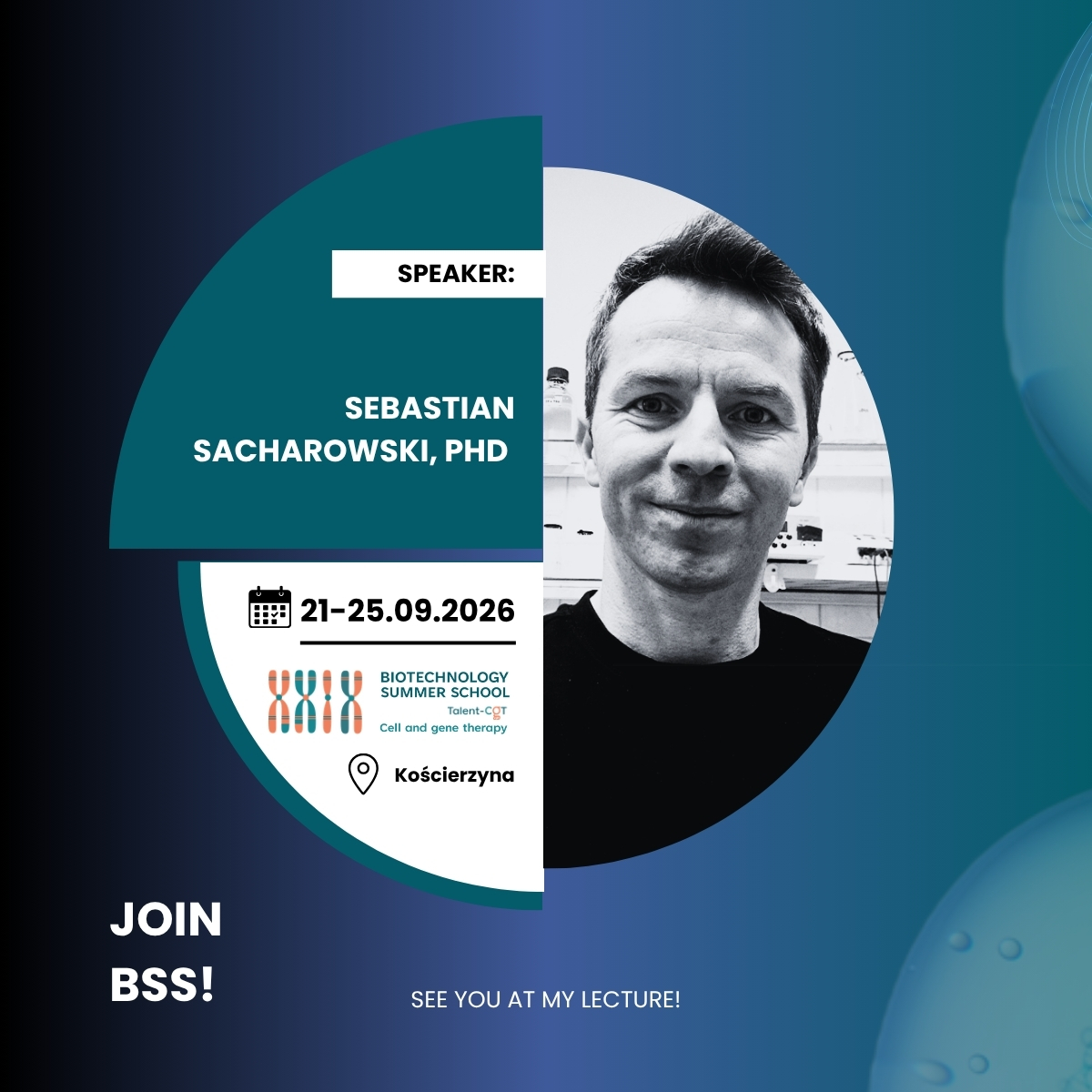
Sebastian graduated from the Poznań University of Economics and Business in 2010 and, a year later, joined the PhD program at the Institute of Biochemistry and Biophysics, Polish Academy of Sciences (PAS), in Warsaw. His doctoral research focused on how chromatin-remodelling complexes regulate Arabidopsis development. During this time, he also completed a short-term fellowship at the Warsaw Oncology Centre and received several research scholarships at the Max Planck Institute in Cologne. After earning his PhD, he joined the Laboratory of Seed Molecular Biology, where he studies the role of long non-coding RNAs (lncRNAs) in seed dormancy.
His research combines molecular genetics, genomics, and chromatin biology approaches, including CRISPR–Cas9-mediated genome editing, transcriptional roadblocking, and Cas9-based locus-specific protein identification. Through these approaches, he investigates how lncRNAs interact with chromatin and how chromatin architecture regulates gene expression during seed dormancy and germination.
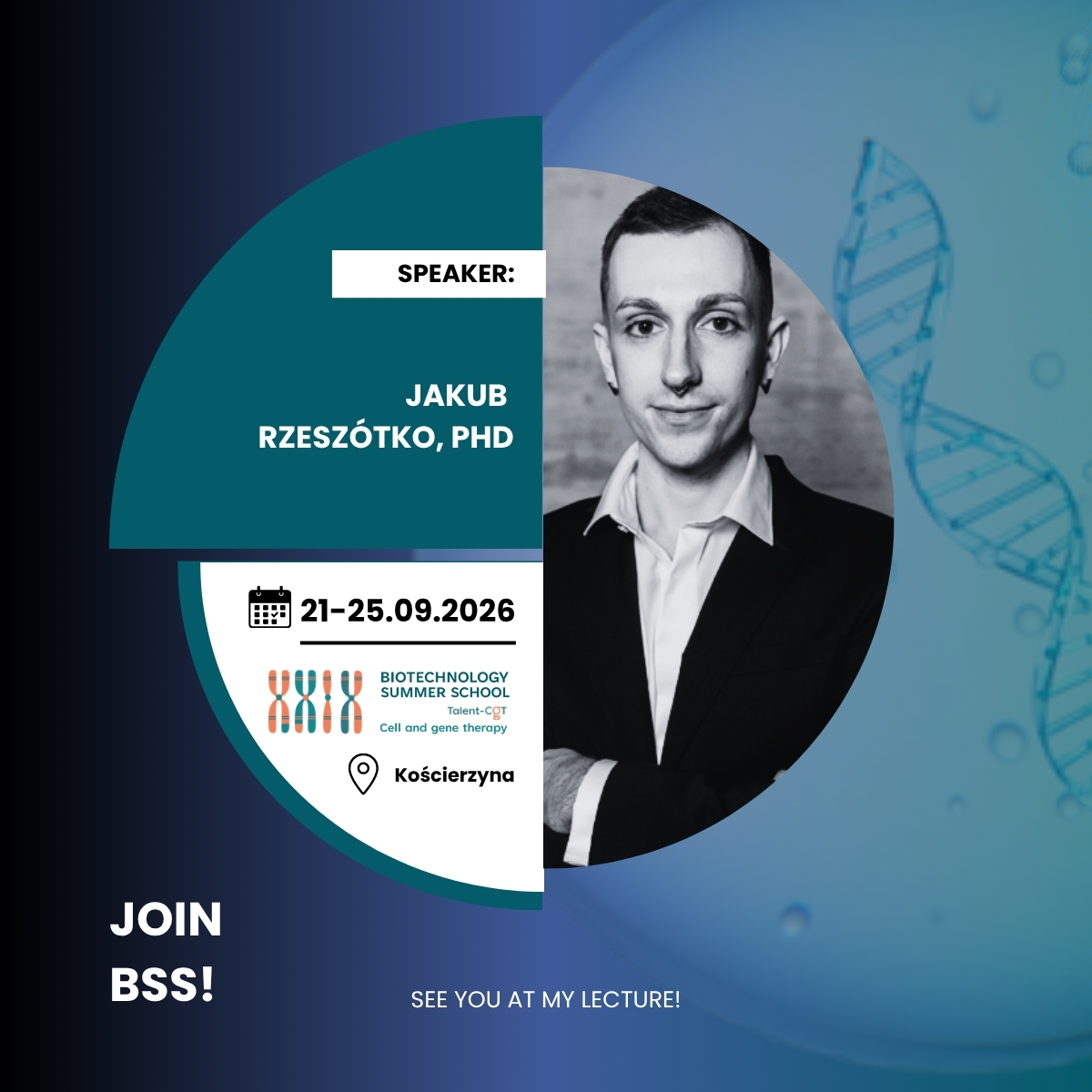
Jakub is a Development Strategy Lead at LEO Pharma – a global pharmaceutical company developing innovative solutions for complex skin diseases. He works at the intersection of strategy, partnerships, and ecosystem development. Jakub holds a PhD in Structural Biology from the Max Planck Institute of Molecular Cell Biology and Genetics in Dresden, where he studied membrane transporters using cryo-EM and alpaca-derived nanobodies. Previously, he worked on targeted anticancer therapies using cytotoxic payload-conjugated peptibodies. Beyond his role at LEO Pharma, Jakub is actively involved in the Polish and international life science ecosystem, including Global Biotech Revolution – an international non-profit organization connecting and shaping emerging biotech leaders across more than 50 countries.
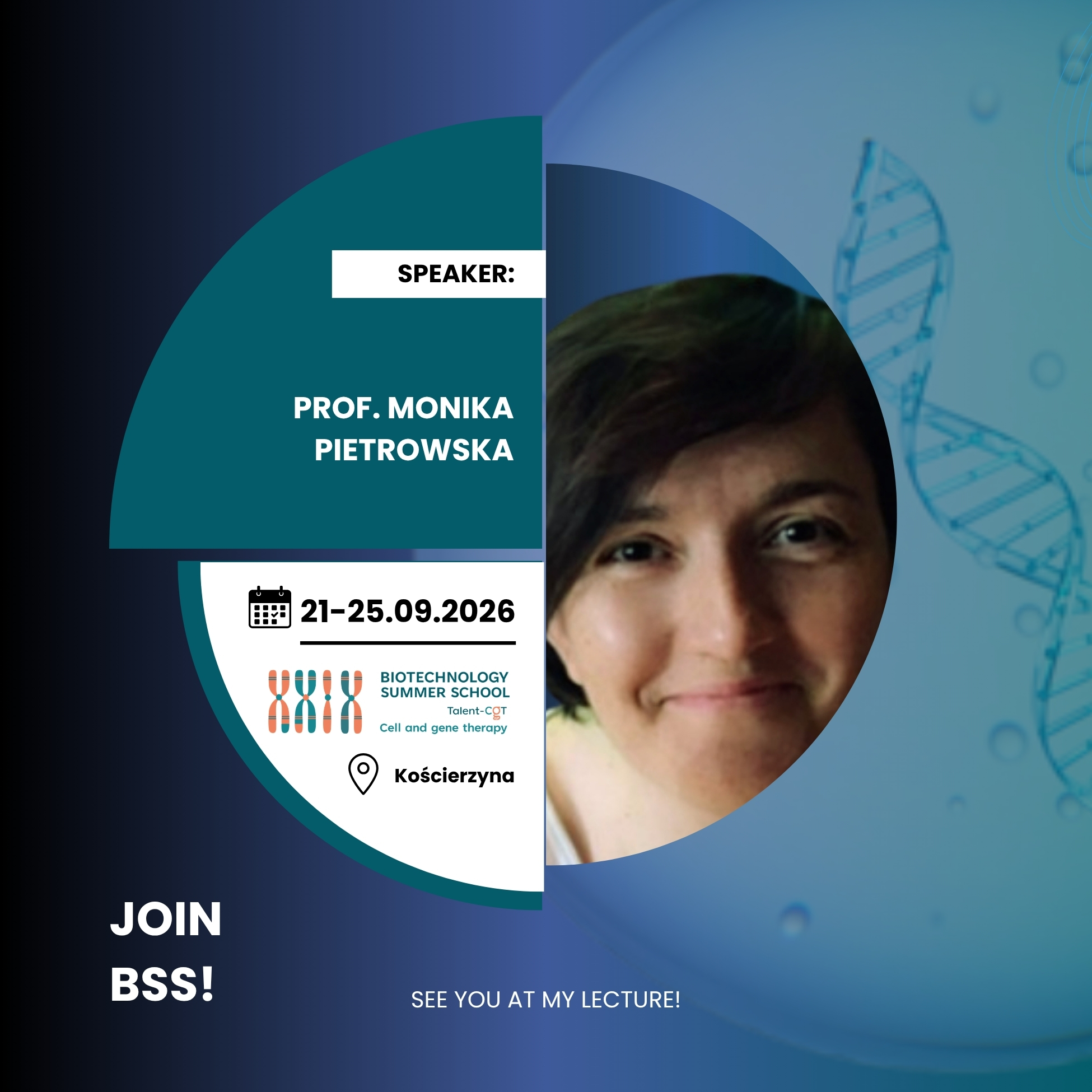
was the head of the Laboratory of Clinical Proteomics within the Center for Translational Research and Molecular Biology of Cancer at Maria Sklodowska-Curie National Research Institute of Oncology (MSCI), in Gliwice, Poland and a leader of a research group investigating the role of small extracellular vesicles (sEV) in cancer. Since April 2026, he has been a professor at the Institute of Genetics and Animal Biotechnology of the Polish Academy of Sciences.
She is a molecular biologist with expertise in mass spectrometry. Together with Prof. Theresa Whiteside (an expert in tumor immunobiology, at the University of Pittsburgh, Pittsburgh, PA, USA) and Prof. Joanna Polanska (an expert in biostatistics and data mining at the Silesian University of Technology, Gliwice, Poland), she has established a multidisciplinary team of experts complementary in knowledge and competence, carrying out research in functions of sEV and their potential utility as liquid cancer biopsy. Her most important professional accomplishment is the establishment of a unique nationally and internationally recognized proteomics laboratory based on mass spectrometry techniques. The laboratory has successfully adapted the established mass spectrometry techniques to novel studies of sEV aka exosomes and their molecular profiles. The overall objective is to investigate the role of exosomes in cancer progression.